This overview will help you choose the right wax for your beeswax wrap.
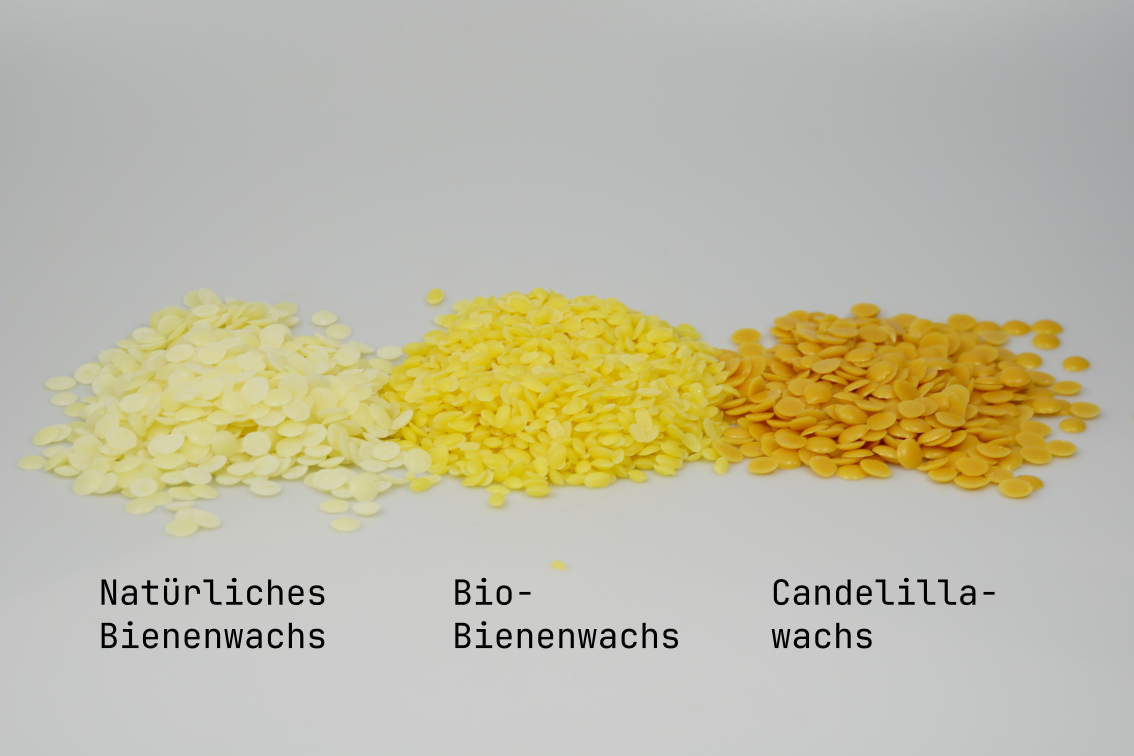
All the materials we use are natural products, so they vary slightly in texture, scent, and color. The color difference between wax types is especially noticeable on beeswax wraps.
Natural beeswax
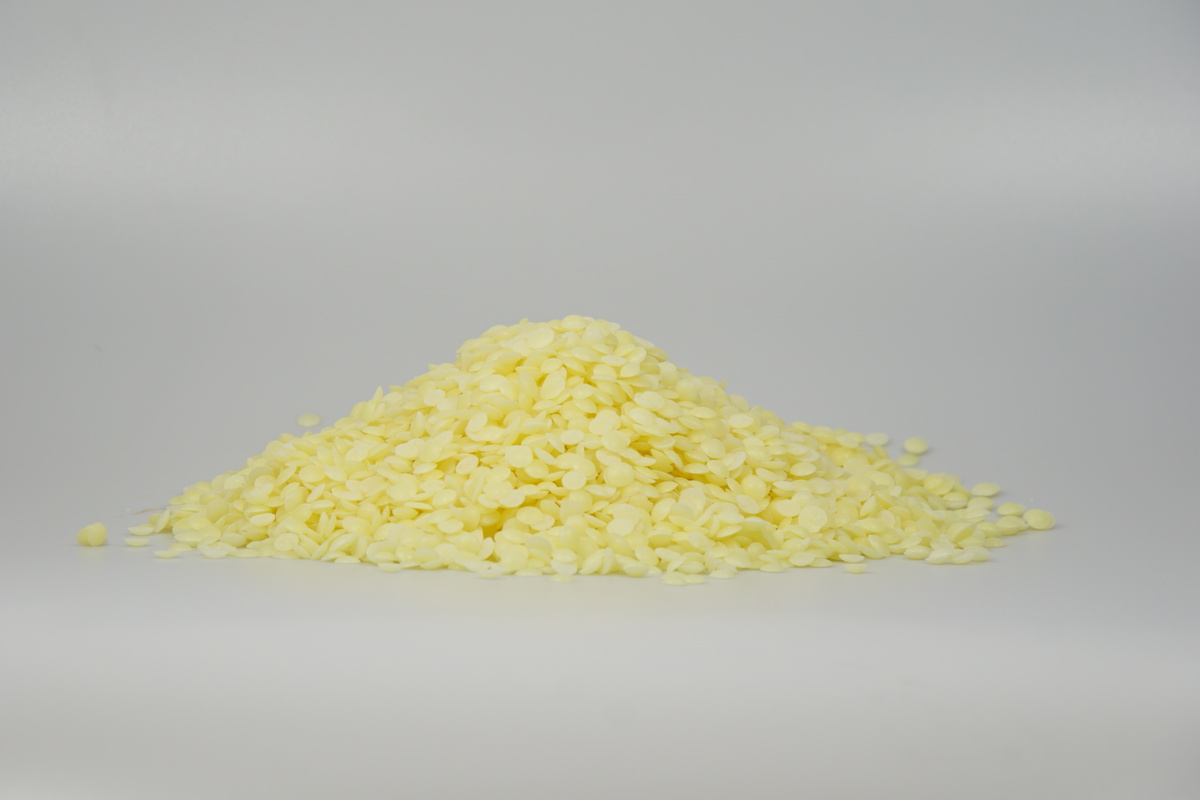
Our natural beeswax is the classic choice for beeswax wraps. It is not only the most affordable option, but also a sustainable, high-quality choice. Natural beeswax is usually much lighter, giving the wrap less of a yellow tint.
Beeswax from certified organic production (organic beeswax)
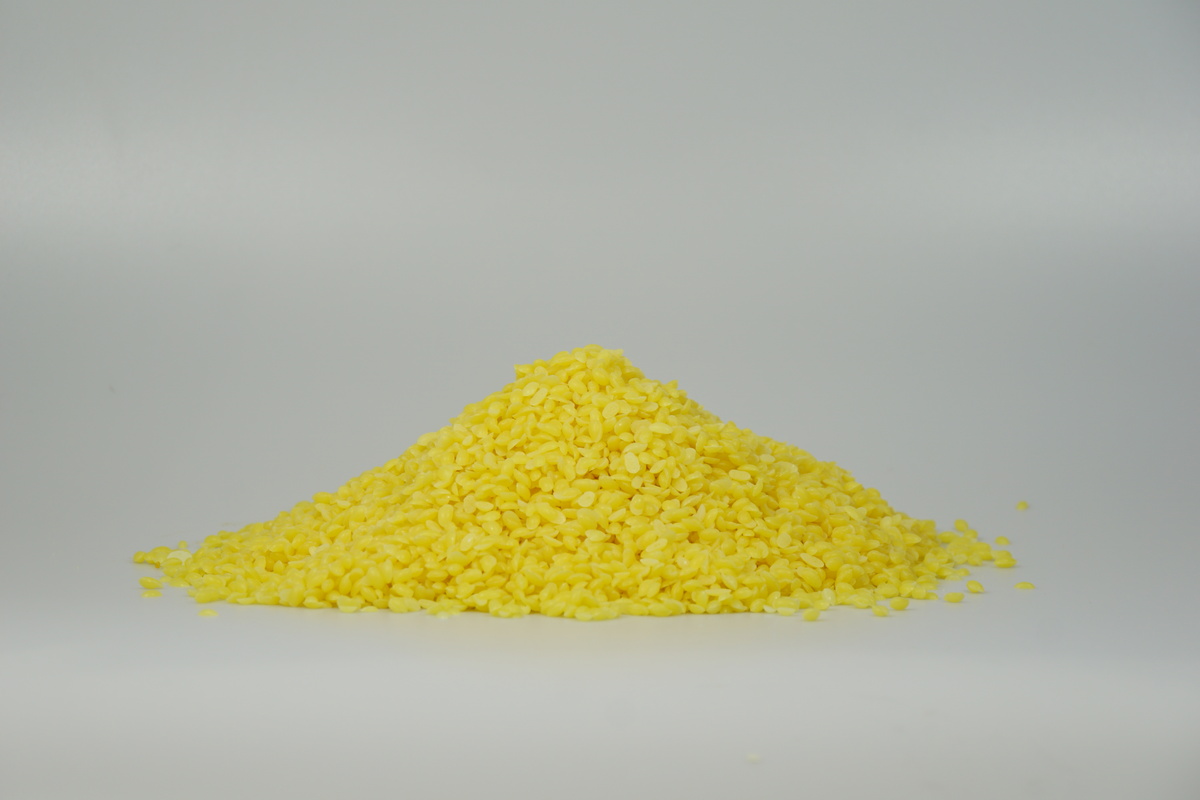
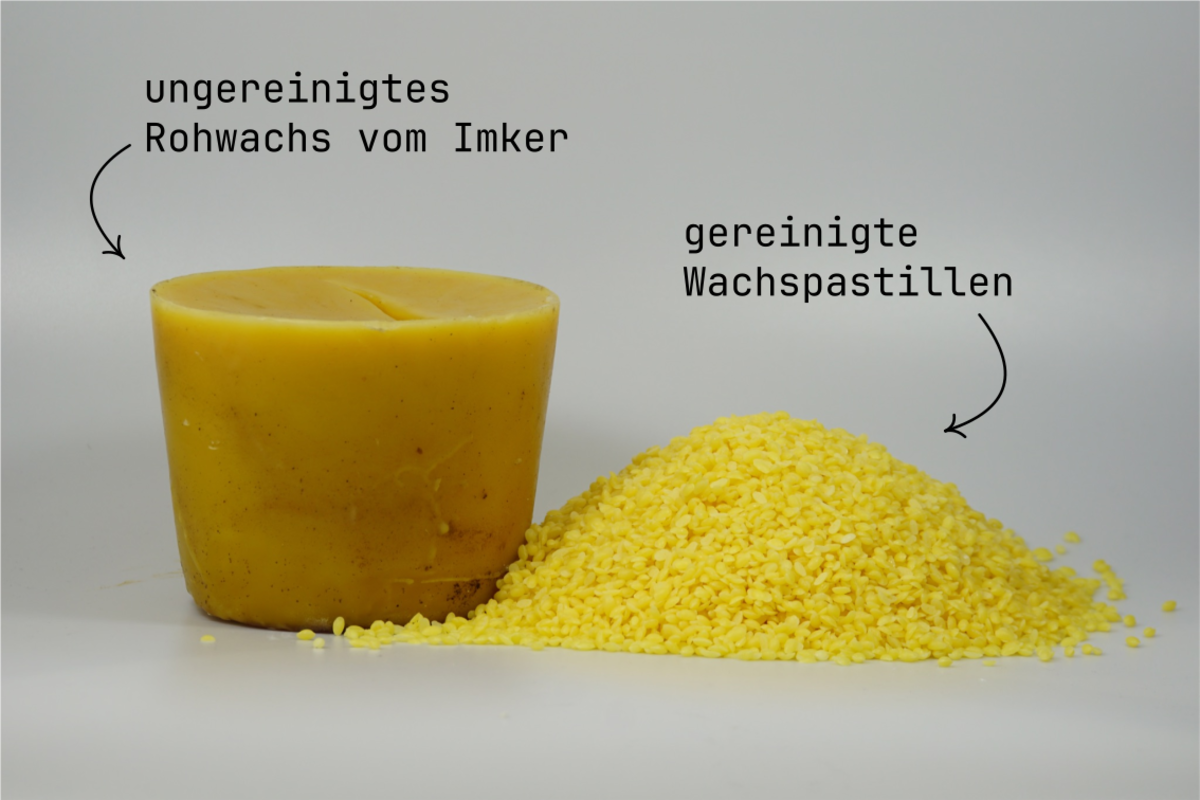
Beeswax from certified organic production (commonly called “organic beeswax”) is our highest-quality raw material. It comes only from selected organic beekeepers in Germany or elsewhere in Europe. Organic beeswax comes from apiaries that follow the EU Organic Regulation, including rules on natural beehives and strict restrictions on chemicals and medicines used to control parasites and disease. One difference between organic and conventional beeswax is how bees are overwintered. Organic beekeepers leave most of the honey, the bees’ food source, in the hive, while conventional beekeepers remove it and replace it with sugar water. To keep the supply chain fully traceable, we buy raw blocks of wax and have them cleaned and pelletized in Germany.
Candelilla wax (vegan)
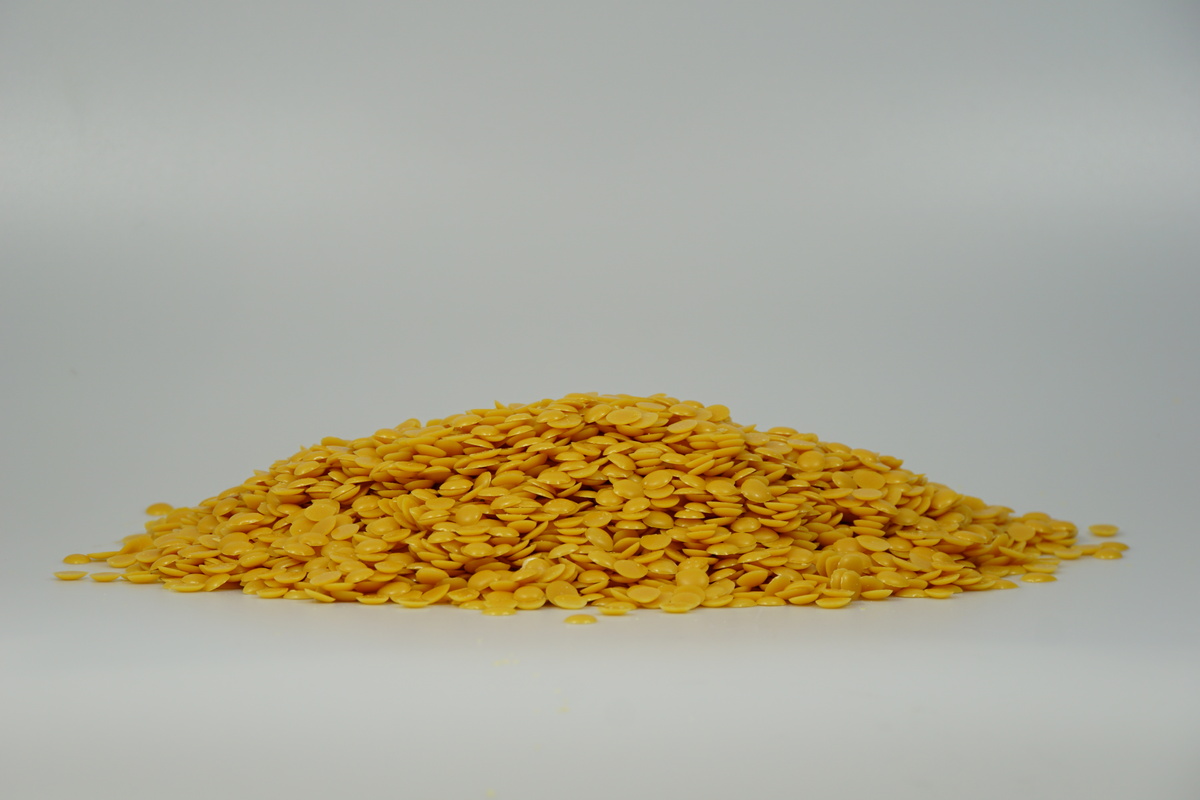
Candelilla wax is plant-based, so your wrap is vegan. It is often used as an alternative to beeswax because it produces a very similar result. The wax comes from the leaves of the candelilla bush, which is native to Central America. We do not know of a candelilla alternative native to Europe. Because it has to travel so far, the wrap is vegan, but the sustainability of this option is debatable.